
Gum Disease Treatment
Are Your Gums Bleeding After Flossing Or Brushing Your Teeth? You May Be Need Gum Disease Treatment
Gum disease treatment is a devastating dental condition that can quickly spiral out of control. If you suffer from:
- Bleeding gums
- Sore, tender or swollen gums
- Inflamed gums
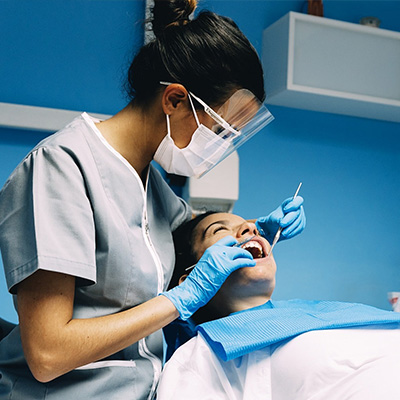
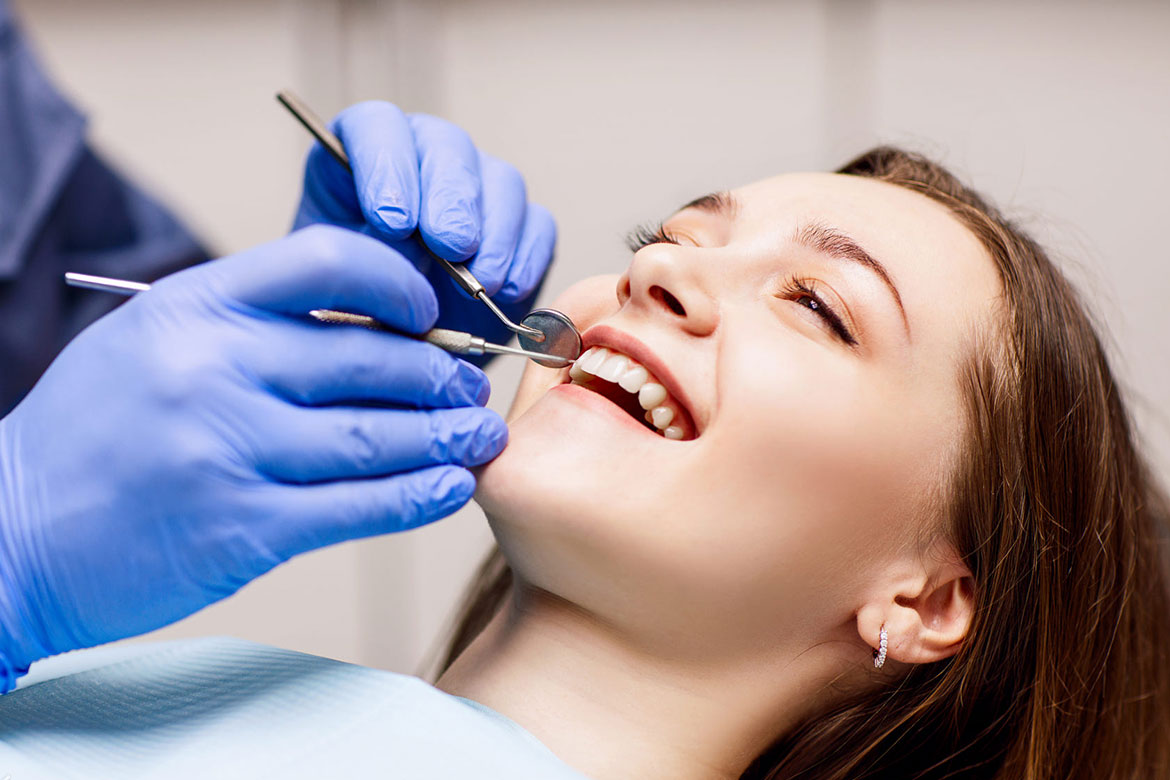

At MY SMILE DOCTORS we are dedicated to your oral health, and will always check for any signs of Gum Disease with every check-up. We utilise advanced cleaning and preventive techniques to ensure the health of your mouth and remove or greatly minimise any presence of gum disease treatment.

Sleep Dentistry
Concerned AboutT Your Upcoming Dental Visit (Nervous and Anxious)?
Feel free to inquire with our team about the possibility of undergoing dental treatment with intravenous (IV) sedation.
Frequently Asked Questions (FAQ’s)
We have a Professional and Experienced Team who always bring Innovative Ideas.
Early signs include bleeding gums, redness, swelling, tenderness, persistent bad breath, and discomfort while brushing or flossing.
Yes. Gingivitis, the earliest stage of gum disease, can often be reversed with professional cleaning and good oral hygiene. Advanced periodontitis can usually be managed but not completely reversed.
Not always. Many patients experience little or no pain during the early stages, which is why routine dental check-ups are important.
The primary cause is plaque buildup. Smoking, diabetes, poor oral hygiene, hormonal changes, certain medications, and genetics can also increase the risk.
Treatment time varies depending on the severity of the infection. Mild cases may require one or two appointments, while advanced cases often need ongoing maintenance visits.
Yes. If left untreated, advanced periodontal disease can damage the bone supporting the teeth, eventually leading to loose teeth and tooth loss.
Most patients should have a dental examination and professional clean every six months. Patients with gum disease may require more frequent periodontal maintenance appointments.
Brush twice daily, floss every day, maintain a healthy diet, avoid smoking, and visit your dentist regularly for professional cleaning and examinations.